
New study: microplastics damage sperm DNA in under 90 minutes
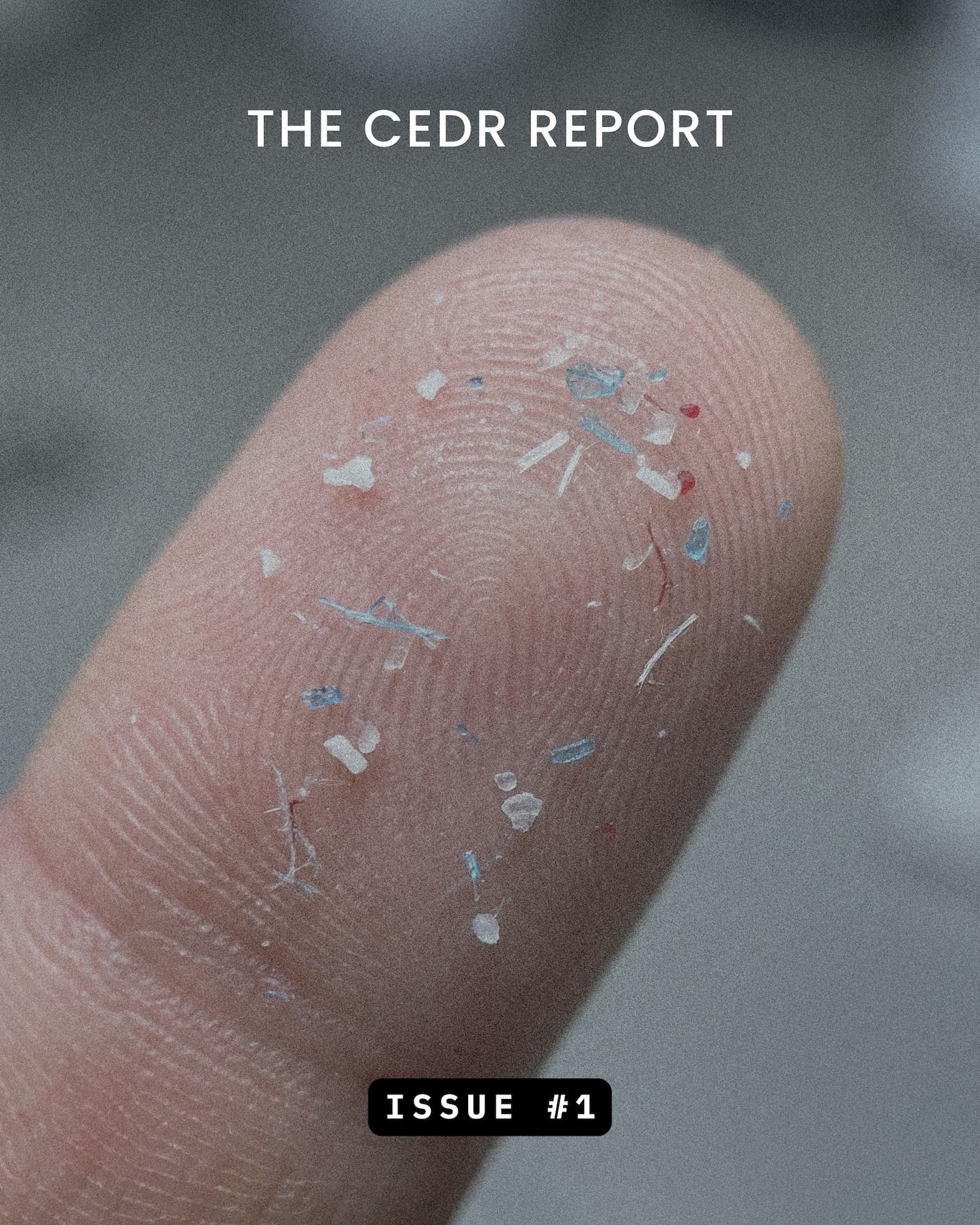
A study published in July 2025 in the journal Toxics tested what happens when human sperm are directly exposed to polystyrene microplastics - the same type of plastic found in synthetic clothing, food packaging, and household items.
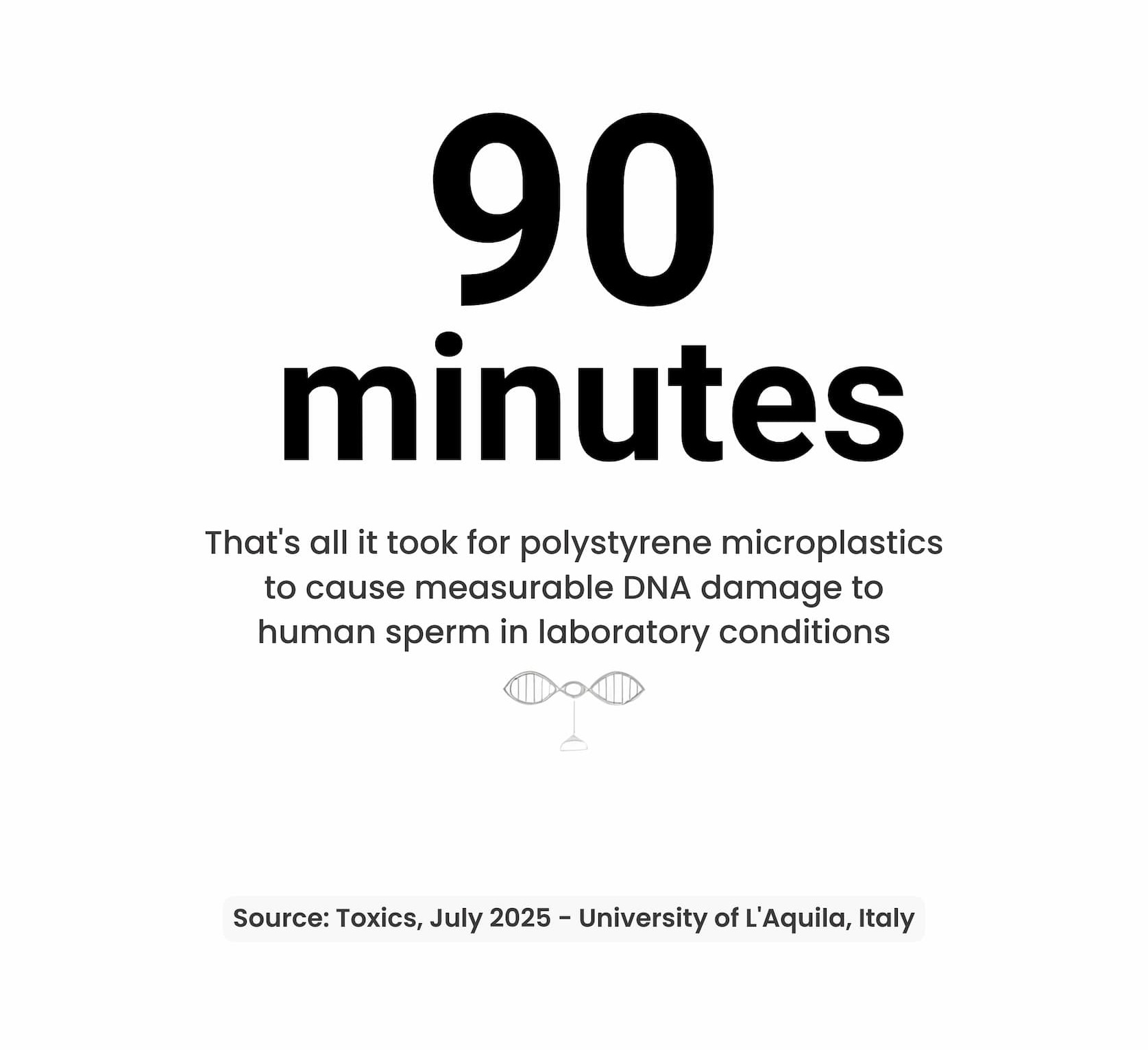
Within just 30 to 90 minutes, researchers observed significant sperm DNA fragmentation, elevated oxidative stress, and measurable declines in both vitality and motility. The longer the exposure, the worse the damage. The researchers concluded that even brief contact may compromise a sperm cell's ability to fertilize an egg.
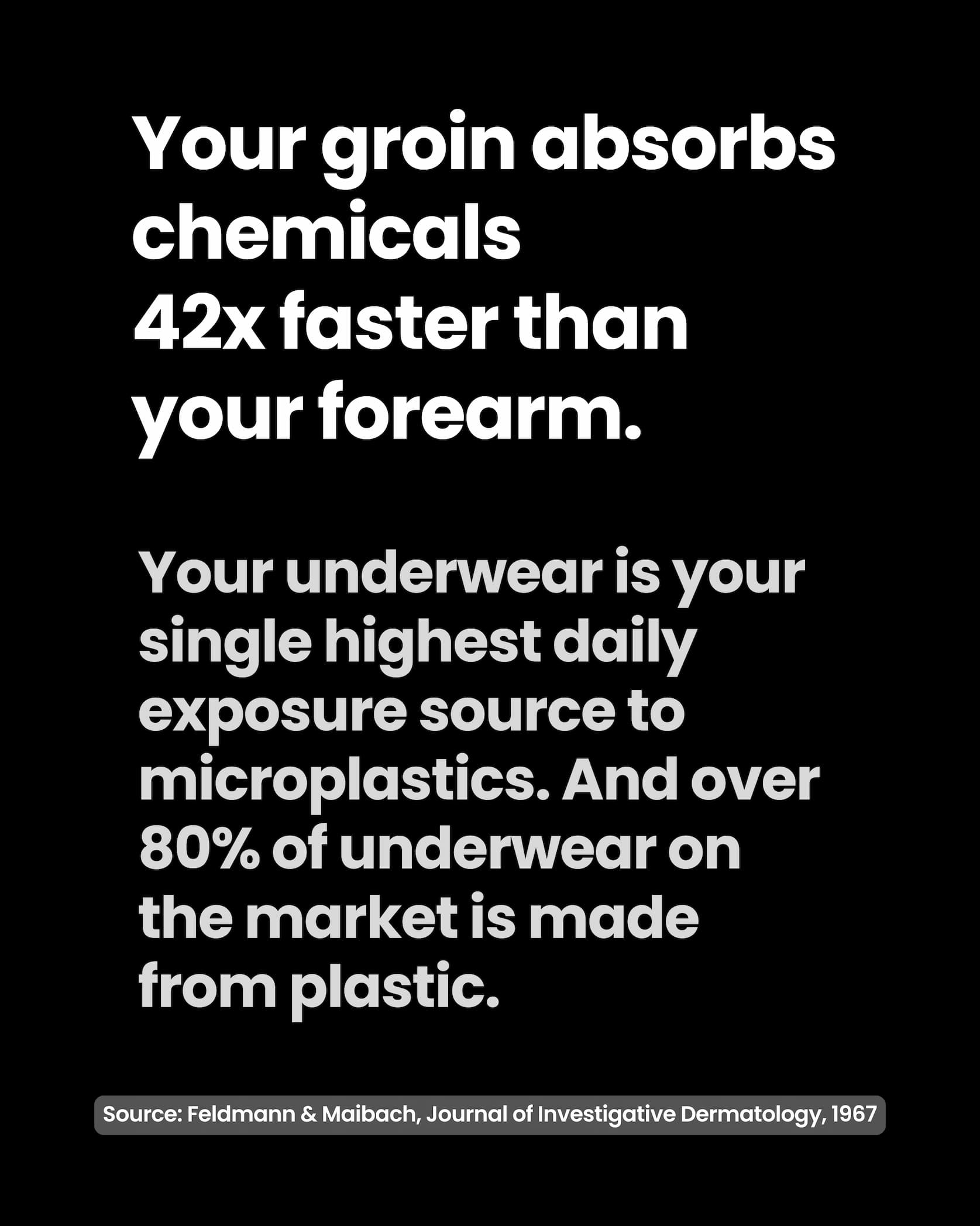
This matters because microplastic exposure isn't a one-time event. Your underwear sits against the highest-absorption area of your body for 16+ hours a day. Synthetic fabrics like polyester, nylon, and spandex shed microplastic fibers continuously through friction and washing.
A 2024 study published in Toxicological Sciences found microplastics in 100% of human testicles tested. Polyethylene - the same plastic in synthetic underwear - was the dominant polymer. This new research helps explain what those particles are actually doing once they get there.
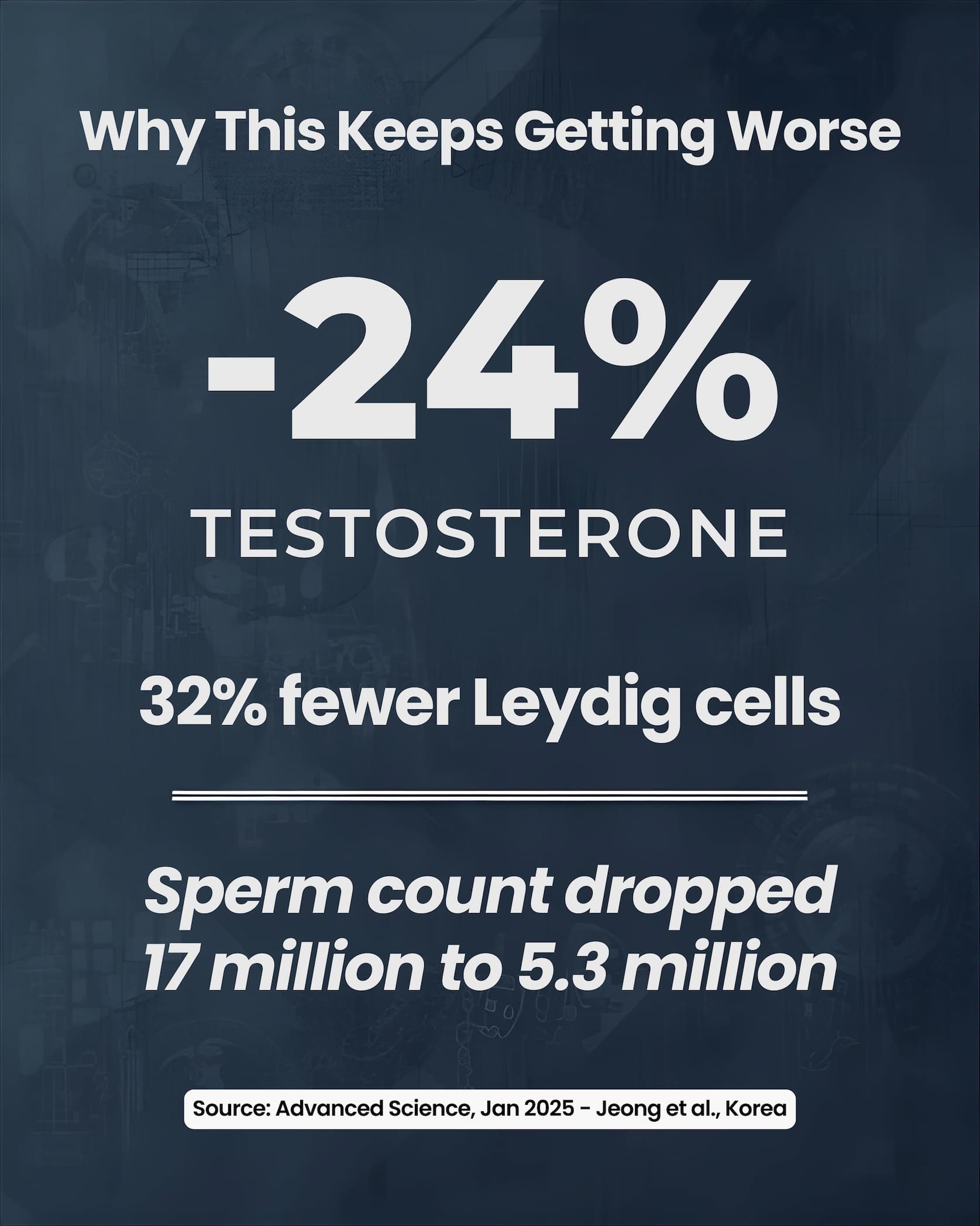
A Korean research team published findings in Advanced Science (January 2025) after exposing subjects to PET microplastics - the polymer in polyester fabric and plastic bottles - at doses relevant to human intake. The 32% loss in Leydig cells is significant, as these are the only cells in the body that produce testosterone.
A separate 2025 study from Shanghai confirmed microplastics in 75% of human semen samples. Men with higher PET concentrations showed measurably reduced sperm motility compared to unexposed men.



One email/blog, every Friday. Subscribe below.